Home Values in Park City Utah 2026: What Drives Prices in This Premium Market
Home Values in Park City Utah: What Really Drives Prices in 2026
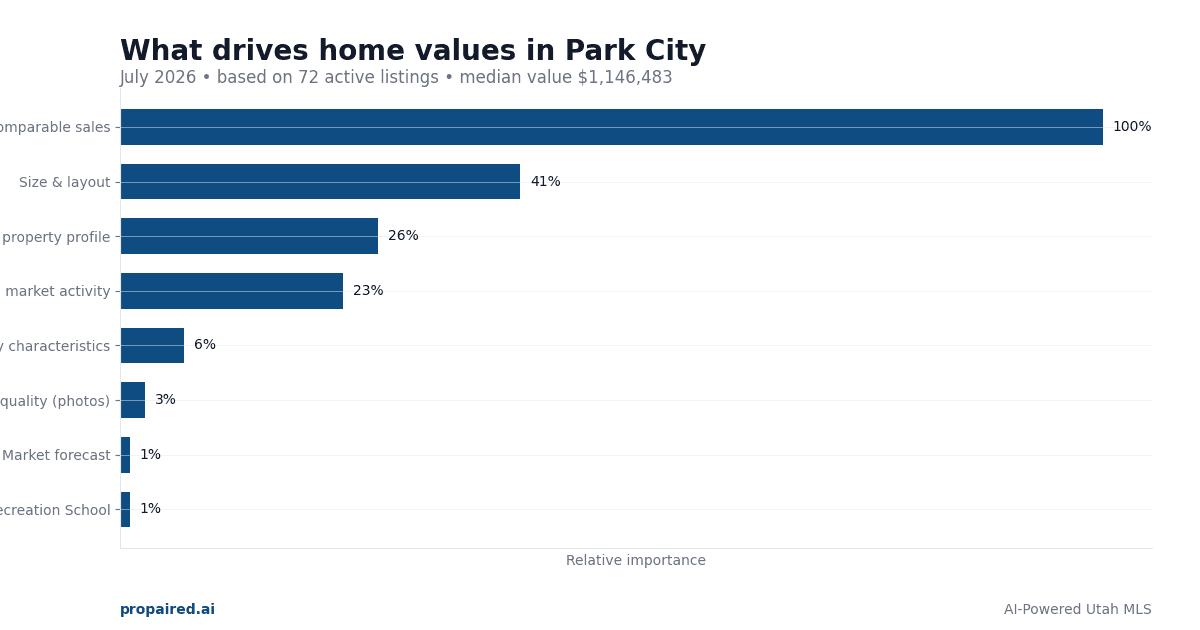
Park City's real estate market operates in rarified air — literally and figuratively. With a median home value of $1.15 million and properties ranging from $678,000 to over $2 million, this isn't your typical Utah market. Property fundamentals dominate value here, and there's honestly not much room for sellers to lift prices through cosmetic improvements alone. Our automated valuation system reveals that comparable sales account for about 41% of pricing decisions, while size, layout, and neighborhood dynamics drive most of the remaining value. If you're thinking about selling in Park City, understanding these core drivers is essential — because in a market this premium, buyers expect excellence as the baseline.
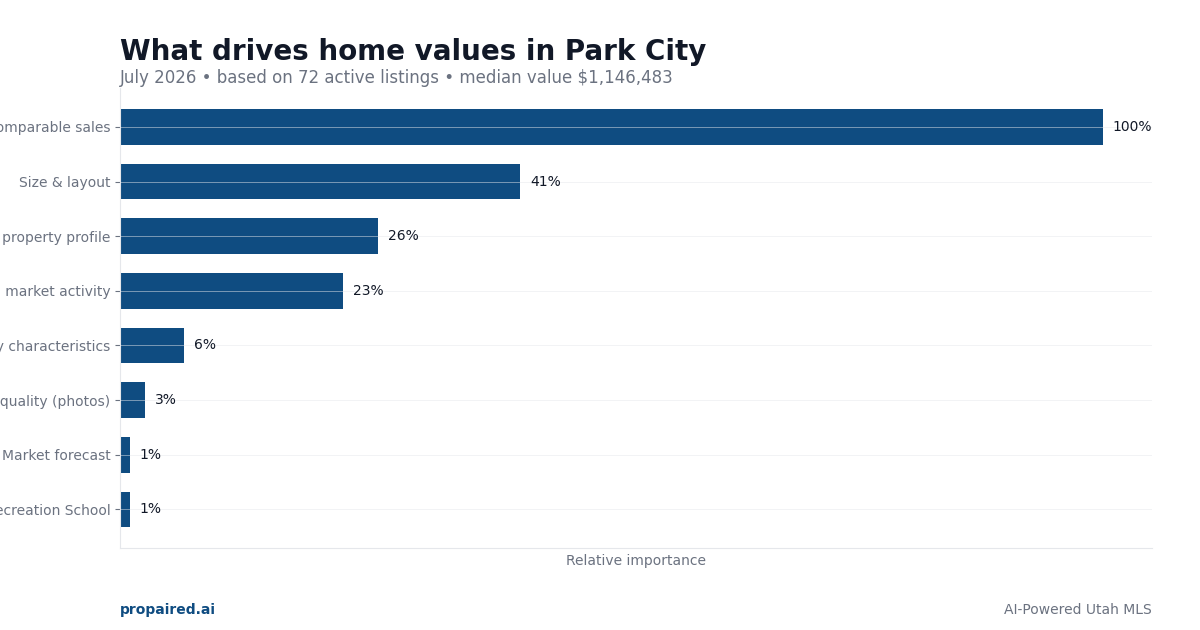
Top themes our automated valuation considers when pricing homes in Park City.
The Park City Premium: Understanding Our Unique Market Dynamics
Park City isn't just expensive — it's strategically expensive. Our market-trend model shows that comparable sales carry enormous weight in valuations, accounting for nearly half of how properties are priced. This makes sense when you consider that we're dealing with a relatively small inventory of 72 active listings across a geographically constrained area.
The Deseret News recently noted that mortgage rates have risen sharply to 6.51%, which adds another layer of complexity to our already premium market. When you're looking at median home prices around $1.1 million, even small rate changes have outsized impacts on buyer purchasing power.
What's particularly interesting is how neighborhood market activity ranks as our second-most influential factor. In Park City, location isn't just about views (though those matter) — it's about proximity to ski access, village amenities, and the specific micro-markets that define different price tiers. A recent analysis highlighted May as a particularly active time for our local market, and that seasonal rhythm affects how properties are valued throughout the year.
Size, Layout, and the Fundamentals That Matter Most
In Park City's luxury market, size and layout considerations carry significant weight in our valuation model. The median living area of 2,071 square feet might seem modest compared to other luxury markets, but remember — we're dealing with mountain topography and strict development constraints that make every square foot precious.
Our comparable-sales engine weighs overall property profile heavily because buyers in this market have specific expectations. They're not just buying a home; they're buying into a lifestyle that demands certain fundamentals be in place. This includes everything from the home's orientation to mountain views, to how well the layout works for both intimate family time and entertaining guests who've traveled here for the skiing or summer recreation.
Property characteristics also play a crucial role, though interestingly, our data shows this factor can both lift and suppress values depending on execution. A poorly designed great room or awkward kitchen layout can significantly impact value, while thoughtful mountain architecture and high-quality materials command premiums. The key insight? In Park City, buyers expect mountain luxury as the baseline — anything that falls short gets penalized more harshly than it might in other markets.
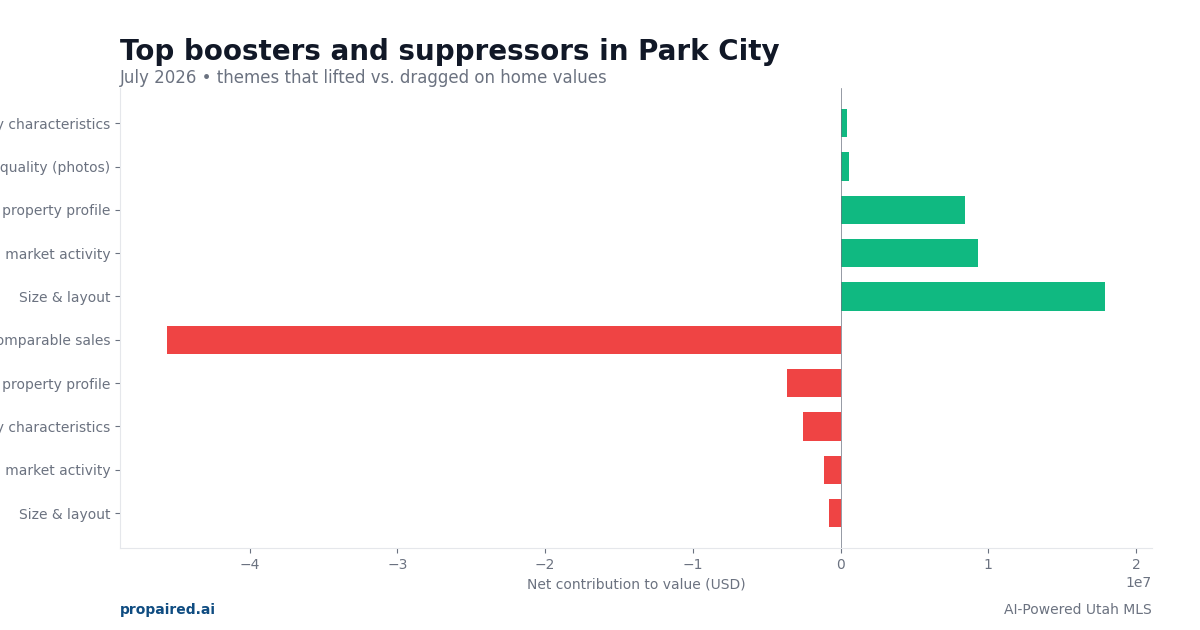
Where Park City sellers can lift their value vs where the market is dragging on it.
Visual Presentation in a Market Where First Impressions Count
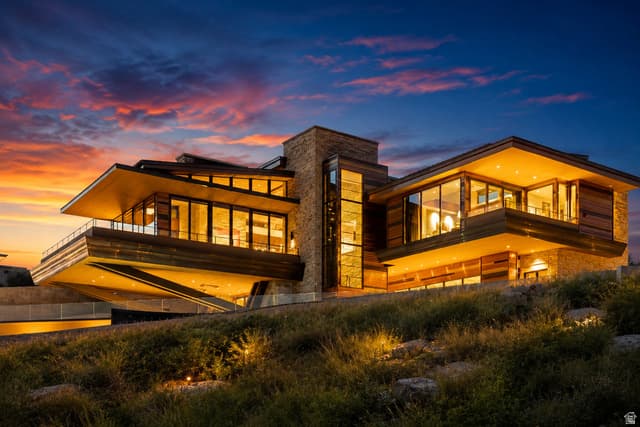
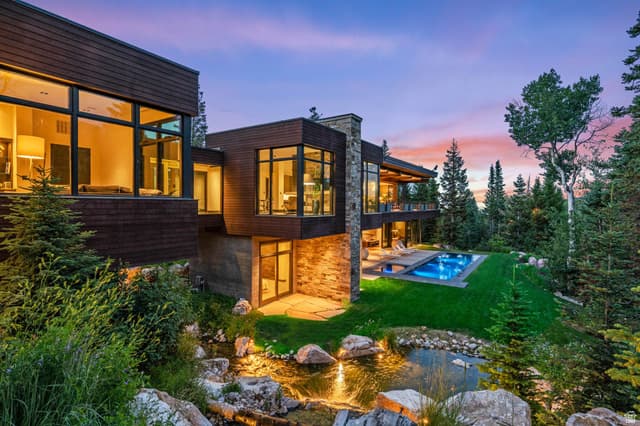
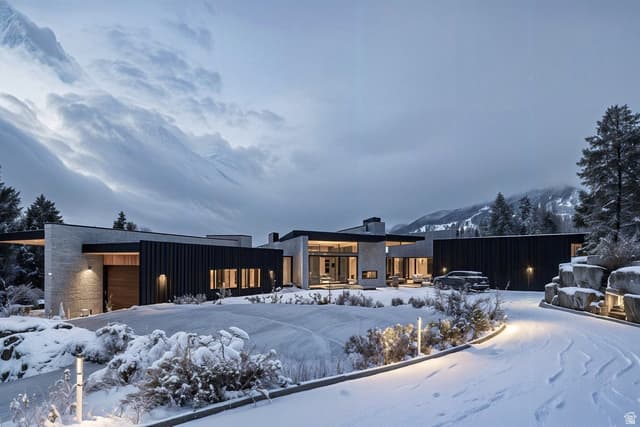
Here's something that might surprise sellers: visual quality from photos shows up as a meaningful factor in our valuation model, even in a market this premium. When properties are priced in the seven figures, buyers form strong initial impressions from listing photos, and those impressions influence perceived value.
Our image-based condition scoring reveals that professional photography isn't just nice-to-have in Park City — it's essential for capturing the premium that mountain properties can command. This is especially true given recent developments like the new Four Seasons Resort and Residences rising in Deer Valley's East Village, which represents North America's first new luxury ski village in over 40 years. With that level of new luxury competition entering the market, existing properties need to present at their absolute best.
The data shows that homes with high-quality visual presentation tend to align more closely with their target price bands. In a market where the difference between the 25th and 75th percentile is over $1.4 million, small improvements in how a property photographs can have meaningful impacts on buyer perception and, ultimately, final sale price.
Market Context and Timing: The External Forces at Play
Our market forecast models incorporate broader economic factors that affect Park City specifically. Recent mortgage rate increases create headwinds for all luxury markets, but Park City has some unique dynamics that provide both challenges and opportunities.
The recent clarification about Park City's condo market is instructive here. What initially appeared to be a significant market downturn was actually explained by a one-time surge in inventory in the Deer Crest area — not a broader market weakness. This highlights how important it is to understand local supply dynamics rather than relying on headline numbers.
Additionally, new affordable housing proposals near Kimball Junction illustrate the ongoing tension between maintaining Park City's exclusive character and addressing workforce housing needs. While these developments primarily affect the lower end of the market, they create ripple effects throughout the pricing spectrum by influencing overall supply dynamics.
Our automated valuation system accounts for these neighborhood market activity patterns, recognizing that Park City operates on both seasonal cycles and longer-term development constraints that affect value differently than typical suburban markets.
Park City's home values reflect the reality of a constrained, premium market where fundamentals matter more than cosmetic fixes. Our valuation model shows that comparable sales, size and layout, and neighborhood dynamics drive the vast majority of pricing decisions — and for good reason. In a market with a median value of $1.15 million, buyers expect mountain luxury as the baseline, not the exception.
For sellers, this means focusing on the basics: ensuring your property presents well through professional photography, addressing any fundamental layout or condition issues, and pricing strategically based on truly comparable recent sales. The average achievable uplift from addressing top suggestions is currently minimal, which tells us this market rewards properties that get the fundamentals right from the start.
Whether you're considering selling or simply want to understand your property's value, remember that Park City operates by its own rules. Work with professionals who understand these unique dynamics, and don't expect quick fixes to overcome fundamental property limitations. In this market, authenticity and quality win over flashy improvements every time.
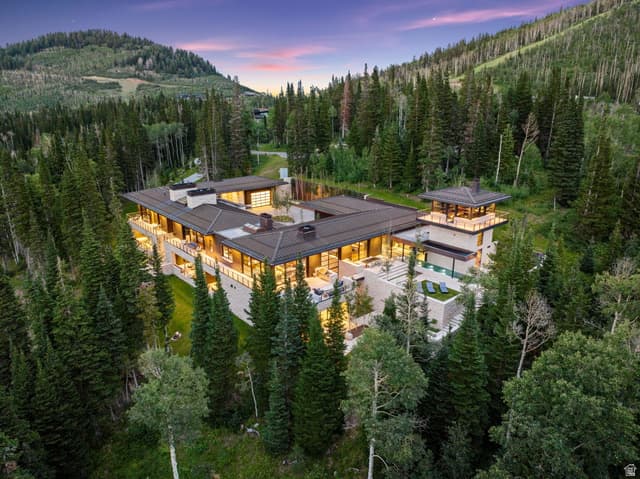
What's selling in Park City right now
Related news
Comments
Sign in to leave a comment.
